
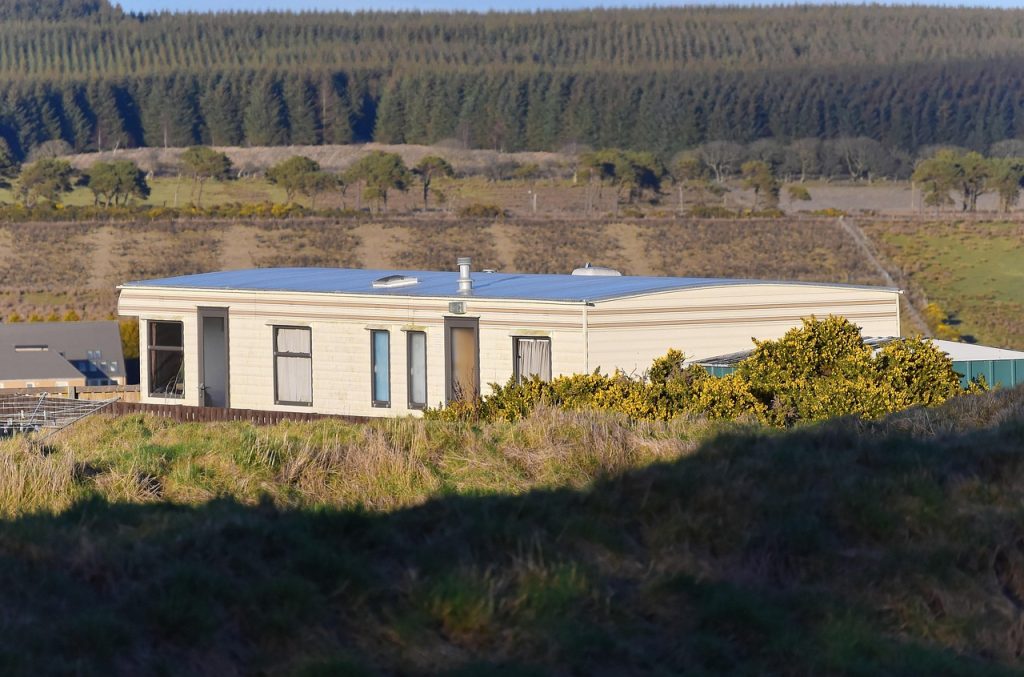
The rise in residential park living has led many people to consider moving into a mobile home as an affordable and flexible way to live. With modern park homes offering high levels of comfort, energy efficiency and community living, it is no surprise that more people than ever are exploring this option. However, one of the most common areas of confusion relates to ownership and registration. People often ask whether mobile homes are registered with the Land Registry in the same way as traditional houses or flats.
Understanding how registration works is vital because it affects your rights, responsibilities and the legal protections available to you. At Hook & Partners, we specialise in Mobile Home Law, and we work with both park home residents and site owners to ensure clarity and compliance. Below, we explain how ownership works and outline what buyers and residents should keep in mind.
Mobile homes are not registered with the Land Registry
Unlike brick-and-mortar properties, mobile homes are not registered with the Land Registry. This is because the purchase of a mobile home does not involve owning the land it sits on. Instead, residents own the physical home itself and typically pay pitch fees to the site owner to keep the home on their land.
To put it simply:
- The mobile home is a physical asset, similar to a vehicle or caravan
- The pitch is not owned by the resident
- No title deeds are created, and no Land Registry title is issued
Because there is no transfer of land ownership when a park home is purchased, there is no requirement or legal mechanism for registering that home with the Land Registry.
Why this matters under Mobile Home Law
Mobile home laws are designed to protect both residents and site owners. The fact that mobile homes are not registered with the Land Registry does not mean that residents lack rights. In fact, legislation such as the Mobile Homes Act provides clear protections.
For example, mobile home residents usually have:
- Security of tenure provided they comply with the site rules and pitch fee obligations
- Protection from unfair eviction
- A regulated process for price increases and sales
- Rights relating to repairs and maintenance of the park
However, because there is no Land Registry involvement, the contract between the buyer and the park owner becomes extremely important. Every clause affects the experience of living on the site, including matters such as pitch fees, responsibilities, resale, access and pets.
This is why buyers should always seek legal advice before signing an agreement. Every site is different, and the laws for mobile homes aim to provide fairness, but they only work effectively when residents fully understand what they are signing.
What happens when selling a mobile home?
Selling a mobile home is also a different process from selling traditional property. There is no transfer of land, but there is a regulated transfer of the home and the pitch agreement.
Key points to be aware of:
- The buyer is purchasing the home and the right to keep it on the existing pitch
- The site owner cannot simply refuse the sale without valid legal grounds
- The seller must follow the prescribed legal process for transferring ownership
- Commission may be payable to the site owner after the sale
Once again, although the Land Registry is not involved, mobile home laws are clear, and compliance is essential to ensure a smooth sale.
Frequently Asked Questions about laws for mobile homes
Do mobile homes have title deeds?
Ownership is normally proven through a written agreement or bill of sale, along with registration with the park owner. This is why documentation must be stored safely.
Can a mobile home be moved to another site?
In theory, yes. However, in practice, it is often difficult and costly. Many homes are designed to remain on a permanent pitch, and moving them may reduce their value.
Can a mobile home be repossessed?
If a resident breaches their agreement, for example, by refusing to pay pitch fees, legal action may be taken. However, the process is strictly regulated and designed to protect residents from unfair treatment.
Are mobile homes a good investment?
Mobile homes do not appreciate in the same way as land-based property. Purchases should be made for lifestyle reasons rather than capital growth.